

This development highlights a stark divergence in war aims between Washington and Tel Aviv during the intense conflict that broke out on February 28.
While the United States shifted focus toward a negotiated settlement to end the fighting and secure the strategically vital Strait of Hormuz, Israel remained committed to an aggressive strategy of decapitating Iran’s political and military hierarchy.
Why the US Stepped In
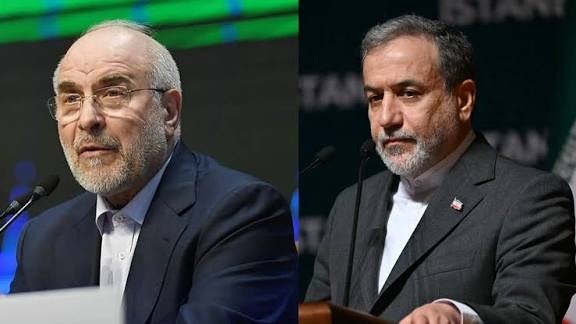
According to detailed media accounts from The New York Times and The Washington Post, the Donald Trump administration actively intervened to shield Iranian Foreign Minister Abbas Araghchi and Parliament Speaker Mohammad Bagher Ghalibaf.
The U.S. calculation rested on a few critical factors:
-
Preventing a Total Collapse of Peace Talks: In early April, delicate ceasefire negotiations began. U.S. officials deeply feared that killing Iran’s lead negotiators would permanently doom the possibility of an interim peace deal and immediately plunge the entire Gulf region into a wider, bloodier conflict.
-
Running Out of Interlocutors: Earlier in the war, Israeli strikes successfully assassinated over 50 top Iranian leaders, including Supreme Leader Ayatollah Ali Khamenei and more pragmatic figures like national security official Ali Larijani. A Western official noted that the U.S. was left scrambling because “every time they found an Iranian official to deal with, all of a sudden he was gone.”
-
Protecting the Diplomatic Track: President Trump and special envoys were aggressively pursuing a 14-point memorandum to secure the region. To keep the process alive, Washington took the highly unusual step of using regional allies (including Pakistani and Qatari intermediaries) to quietly pass intelligence warnings to Tehran about Israeli target lists.
The Narrow Escapes
The reporting underscores just how close Israel came to executing these assassinations, forcing the Iranian delegation to operate under extreme operational security.
| Incident | Details |
| The Bunker Strike | Ghalibaf narrowly survived an Israeli airstrike that targeted a secret meeting of senior government officials in a bunker hidden beneath a mountain. He had to be physically rescued from the rubble. |
| The Mid-Air Threat | On April 12, while flying back from high-level talks with U.S. Vice President JD Vance in Islamabad, Iranian security intercepted intelligence that two Israeli fighter jets had breached Iran’s western airspace. |
| The Emergency Escape | The negotiators’ plane made an emergency diversion to land in Mashhad (near the Pakistani border). The entire 70-person delegation was forced to complete an 8-hour journey back to Tehran entirely by land to evade the threat. |
The Radical Split in War Aims
This behind-the-scenes friction exposed a massive diplomatic rift between the U.S. and Israel:
The U.S. Perspective: Washington concluded that despite devastating leadership losses, Iran’s political structure would ultimately endure. Their priority shifted toward containing the war, reopening international shipping lanes, and setting a framework for nuclear restrictions.
The Israeli Perspective: Tel Aviv viewed a ceasefire as a disaster. Prime Minister Benjamin Netanyahu’s government was single-mindedly intent on forcing total regime change, dismantling Iran’s proxy networks, and neutralizing its missile programs. They feared a peace deal would unfreeze billions of dollars, allowing Tehran to quickly rebuild its military capability.
Despite the constant shadow of assassination, both Araghchi and Ghalibaf have continued to travel internationally—most recently flying to Switzerland for face-to-face follow-up meetings with the American delegation.
For a comprehensive video breakdown detailing how these intelligence warnings were communicated through Middle Eastern intermediaries to protect the diplomatic channel, you can watch this report on the US-Iran Tensions and the Israeli Plot. This brief report highlights the growing geopolitical divide between Washington and Tel Aviv regarding the future of the conflict.
