

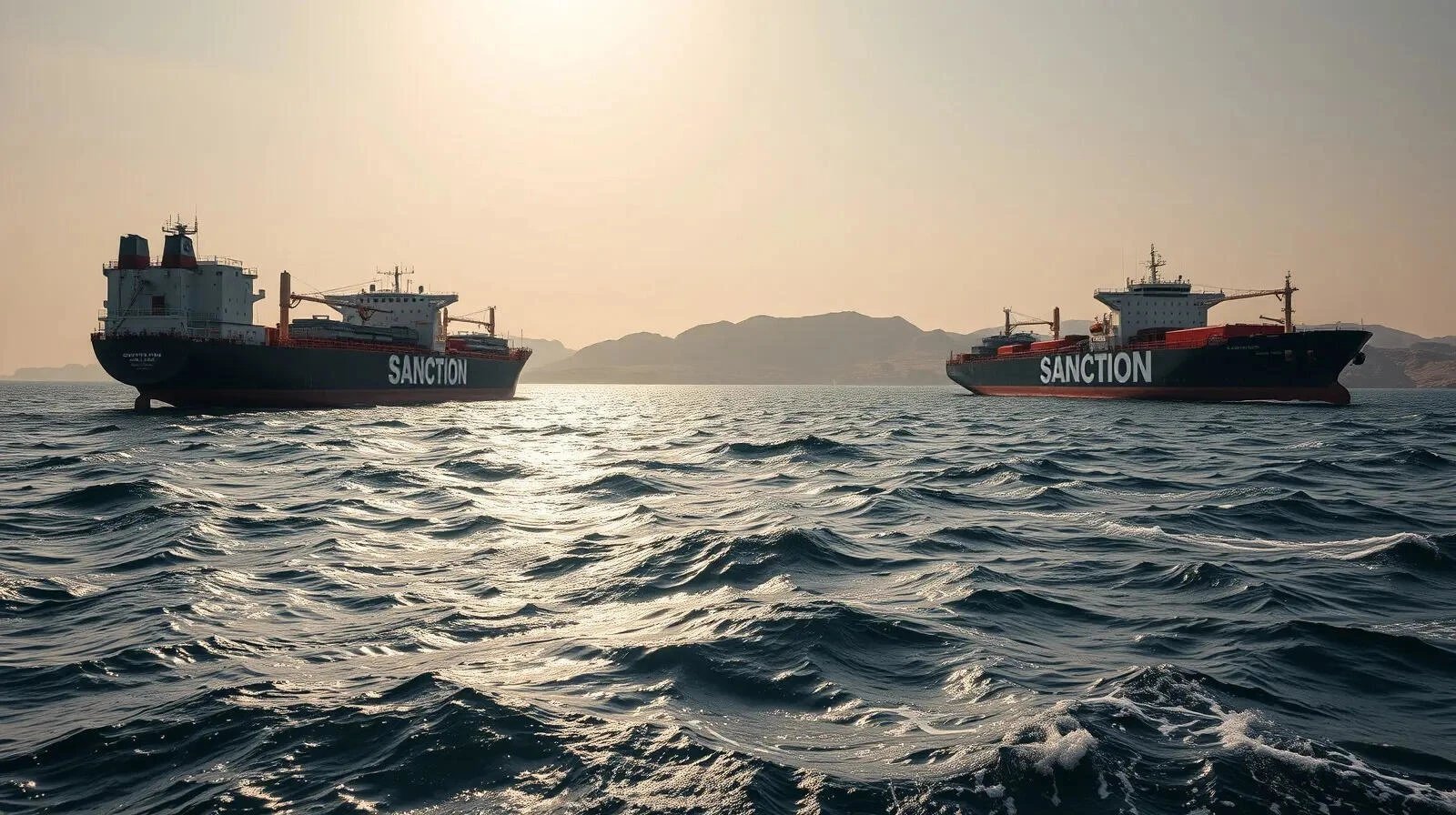
A fragile diplomatic truce in the Middle East has completely shattered. Global energy markets were thrown into a violent tailspin on Monday morning after Iranian state media announced that Tehran is halting all backchannel peace talks with Washington and preparing to completely shut down the Strait of Hormuz—the world’s primary maritime energy artery.
The dramatic breakdown instantly reversed early-morning trading dynamics, injecting a massive geopolitical risk premium back into crude oil futures.
The Market Shock: Crude Spikes Internationally
Following the announcement, crude benchmarks recorded some of their sharpest intra-day gains of the year as traders braced for physical supply disruptions in the Persian Gulf.
-
WTI Crude (US): Skyrocketed 7.69%, surging toward $93 per barrel.
-
Brent Crude (Global): Lept 6.62%, comfortably clearing $95 per barrel.
Why Diplomacy Imploded: The Strategic Triggers
According to a translated report from Iran’s state-affiliated Tasnim news agency, Tehran’s decision to cut off intermediary messaging with Washington is a direct retaliation for ongoing ceasefire violations and escalating military friction.
Iran has laid down hardline ultimatums before it will return to the negotiating table:
Iran’s Stated Conditions: “No dialogue will take place until Israel fully withdraws from occupied areas in Lebanon and stops all attacks in both Lebanon and Gaza. The resistance front and Iran have resolved to completely block the Strait of Hormuz and activate other fronts including the Bab al-Mandeb Strait, in order to punish the Zionists and their supporters.”
The Trump Factor: Sticking Points in the Draft Deal
The diplomatic collapse comes right as the Trump administration demanded significant revisions to a preliminary 60-day cessation proposal. While President Trump posted on Truth Social over the weekend that Iran “really wants to make a deal,” behind closed doors, Washington has sent the draft agreement back for tougher language.
The Core Obstacles to Peace
| Issue | Washington’s Demand | Tehran’s Stance |
| Nuclear Stockpile | Immediate dismantling of highly enriched uranium. | Refuses technical nuclear talks; demands immediate war cessation first. |
| Hormuz Transit | Permanent, legally binding guarantees for open shipping. | Using total closure threat as military leverage. |
| Sanctions Relief | Gradual rollbacks tied strictly to verified compliance. | Front-loaded, comprehensive economic relief. |
Global Economic Implications
The threat to concurrently choke off the Strait of Hormuz (which carries 20% of global daily oil) and the Bab al-Mandeb Strait (the gateway to the Red Sea) presents a worst-case scenario for global supply chains.
For major net energy-importing nations like India, this dual-blockade threat raises immediate alarms over spiking domestic inflation, rising import bills, and shipping insurance premiums. Analysts warn that as long as the IRGC maintains a tight grip on these waterways, a heavy structural premium will remain permanently embedded in global oil prices.
