

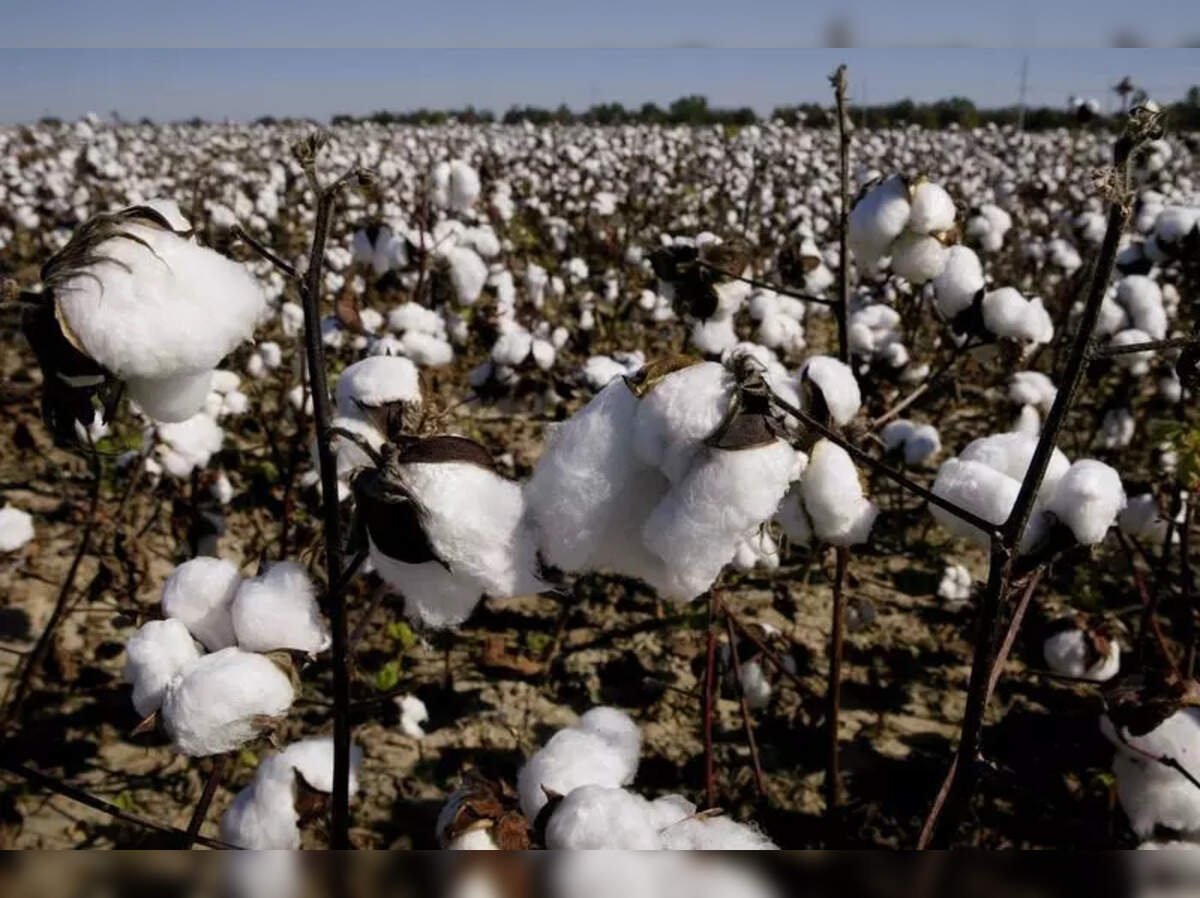
In a significant move to support the domestic textile industry, the Union Government has announced a five-month exemption on customs duty and the Agriculture Infrastructure and Development Cess (AIDC) for raw cotton imports.
Notified by the Ministry of Finance for cotton under tariff heading 5201, the temporary waiver will be effective from June 1 through October 31, 2026.
The policy aims to stabilize soaring raw material costs and boost the global competitiveness of Indian apparel manufacturers, particularly small and medium enterprises (SMEs), during a period of high demand.
Why the Duty Was Removed: The Industry Perspective
The Indian textile and apparel sector has been facing severe headwinds due to escalating domestic cotton prices. A combination of lower domestic crop production for the 2025–26 cycle and supply chain disruptions from the ongoing West Asia crisis triggered a 10% to 15% surge in domestic cotton prices since April.
-
Levelling the Global Playing Field: Prior to this notification, imported cotton attracted a combined 11% import duty. Major Asian textile competitors (such as Bangladesh and Vietnam) enjoy duty-free access to raw cotton, leaving Indian exporters at a distinct disadvantage.
-
Preventing Job Losses: The decision comes after intense lobbying from major textile associations and political leaders, including the newly-elected Chief Minister of Tamil Nadu, C. Joseph Vijay, who had urged Prime Minister Narendra Modi to scrap the duty to protect millions of spinning mill and garment workers in his state.
-
Halting an Uneconomical Shift: The industry noted that while synthetic raw materials enjoyed duty exemptions, the duty on cotton was forcing a artificial, uneconomical shift toward synthetic blended fibers.
“With this temporary relief in the cotton import duty, India’s textile and apparel exporters can better leverage opportunities that are emerging from Free Trade Agreements (FTAs).”
— Ashwin Chandran, Chairman of the Confederation of Indian Textile Industry (CITI)
The Balancing Act: Impact on Farmers and Trade
While textile manufacturers are celebrating the decision, the move has historically been a point of friction with the agricultural sector. However, the government chose this specific five-month window (June to October) because it represents the lean trade season for cotton, minimizing direct harm to farmers.
Despite this, a section of the cotton trade has raised red flags regarding the potential collateral damage:
| Group Affected | Potential Risks and Concerns |
| Cotton Farmers | Cutting duties just ahead of the kharif sowing season could dampen market sentiment. Additionally, farmers holding onto an estimated 4 million bales in hopes of better prices may face financial losses if domestic prices crash. |
| Cotton Corporation of India (CCI) | The CCI currently holds around 4 to 5 million bales procured via Minimum Support Price (MSP) operations. If cheap imports flood the market, the state-run body may be forced to liquidate its inventory at a loss. |
| National Forex Reserves | Traders warn of foreign exchange outflow. The last time India temporarily rolled back the cotton import duty, it resulted in an outflow of $1.1 billion to $1.2 billion alongside substantial lost customs revenue. |
Traders also point out that exporters already had a mechanism to bypass the tax using zero-duty imports via the Advance License Scheme (ALS), suggesting the benefits of the blanket waiver might be tilted toward domestic-only manufacturers rather than pure exporters.
Nevertheless, with global and domestic cotton prices hitting volatile highs, the interim policy serves as an aggressive intervention by the Centre to protect India’s massive textile manufacturing ecosystem through the summer.
